Industries / Warehouses, Ports & Logistics

Where logistics stops, Velox starts

Every warehouse, port and logistics hub has a fixed footprint, an energy bill and a growing ESG obligation. Velox installs hybrid infrastructure on site — reducing diesel dependency, strengthening resilience and generating the certified data operators need to report, prove and improve.

Diesel reduction Site resilience ESG & reporting Warehouses · Ports · Hubs
Why logistics infrastructure

Fixed sites. Constant consumption. Growing obligations.

Velox is relevant wherever logistics infrastructure is anchored to a physical site — warehouses, distribution centres, port zones, intermodal hubs, cold storage facilities. These are the environments where energy is consumed continuously, where ESG obligations are accumulating, and where on-site production creates the most direct and measurable value.

Warehouses & distribution centres

Constant power demand — lighting, automation, cold chain, charging. Energy is one of the largest controllable operating costs, and ESG obligations are tightening under Décret Tertiaire, BREEAM and CSRD.

Ports & intermodal hubs

Energy-intensive, climate-exposed and increasingly scrutinised by shipping clients and regulators on environmental performance. Local production reduces grid exposure and supports port ESG certification.

Cold storage & sensitive logistics

Temperature-controlled facilities cannot tolerate power interruption. Local generation creates a resilience layer that protects continuity — and the environmental data supports traceability requirements.

Use case 1 — Energy & resilience

Keep operations running when the grid doesn't

Logistics sites cannot afford downtime. Power interruptions stop conveyors, kill cold chains, disable security systems and trigger SLA penalties. Velox adds a local production layer that reduces the exposure window — without fuel logistics, without generator maintenance contracts.

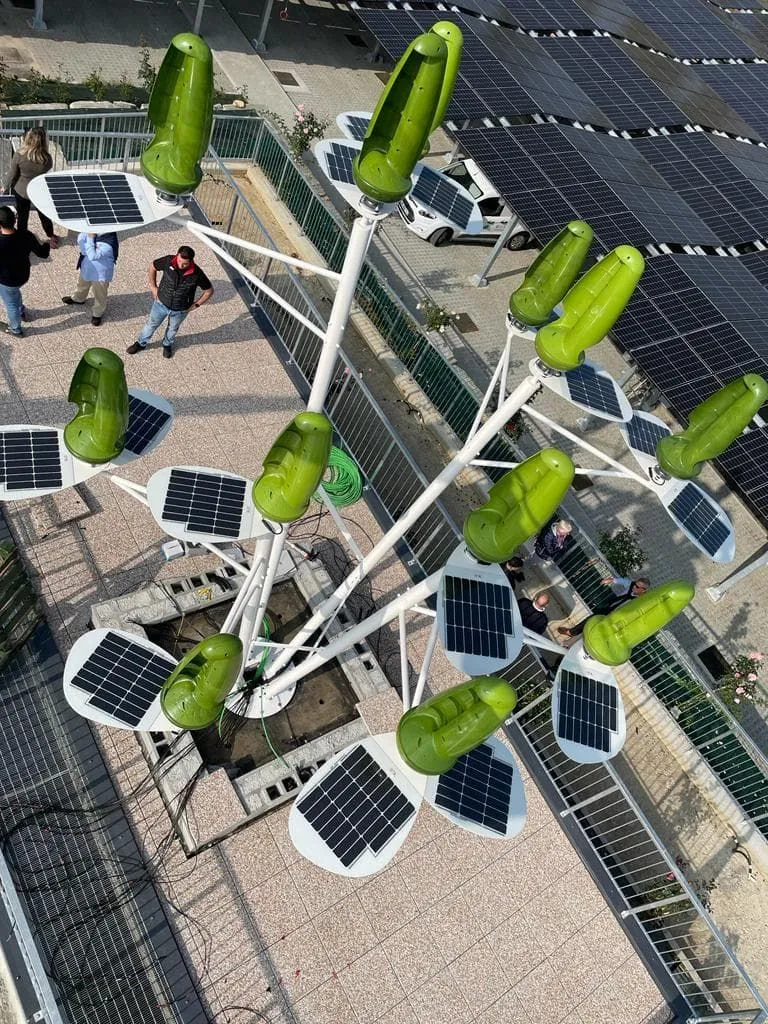
Hybrid energy infrastructure on a logistics site

Hybrid wind and solar — producing continuously, even when conditions are not ideal.

Grid instability

Local production reduces exposure during peak demand, outages or voltage fluctuations.

Diesel backup

Replace or reduce fuel-based backup with a continuous hybrid generation layer — lower cost, lower risk.

Cold chain protection

Maintain power for temperature-sensitive operations independently of grid conditions.

Security & digital systems

Keep lighting, access control and monitoring systems operational during supply disruptions.

Energy resilience starts on site — where logistics performance is actually exposed.
Use case 2 — Climate intelligence

See disruption coming before it reaches your operations

Wind, heat, storms and flooding are no longer rare events — they are recurring operational variables. Velox captures real-world environmental signals at site level, feeding predictive models that help logistics teams act before disruption becomes visible in execution.

Real-world signals at site level

Each Velox deployment captures continuous field data — wind speed, temperature, humidity, pressure, air quality — directly where your operations are exposed. Not from a regional weather station 40km away. From the site itself.

That granularity matters when you need to decide whether to pre-position stock, reroute a delivery, or prepare a site for extreme conditions.

Wind speed & direction — live, at site level
Temperature & humidity — continuous monitoring
Pressure & air quality — early instability detection
Historical patterns — improving model accuracy over time

From reactive to anticipatory

Most logistics operators today manage climate disruption reactively — rerouting after delays, repairing after flooding, compensating after SLA breaches. Velox shifts that posture earlier in the decision cycle.

By combining field signals with AI-powered anticipation, teams can adjust routing, pre-position resources and prepare sites before disruption materialises — reducing the operational and financial cost of climate variability.

Act before disruption becomes visible in execution.
Use case 3 — ESG & regulatory reporting

Turn your site into a source of certified environmental data

Warehouses and logistics hubs are at the heart of several converging regulatory obligations — Décret Tertiaire, CSRD, BREEAM, EU Taxonomy. On-site renewable production is the most direct response to all of them: it reduces declared consumption, generates auditable data, and creates a certified performance record that stands up to scrutiny.

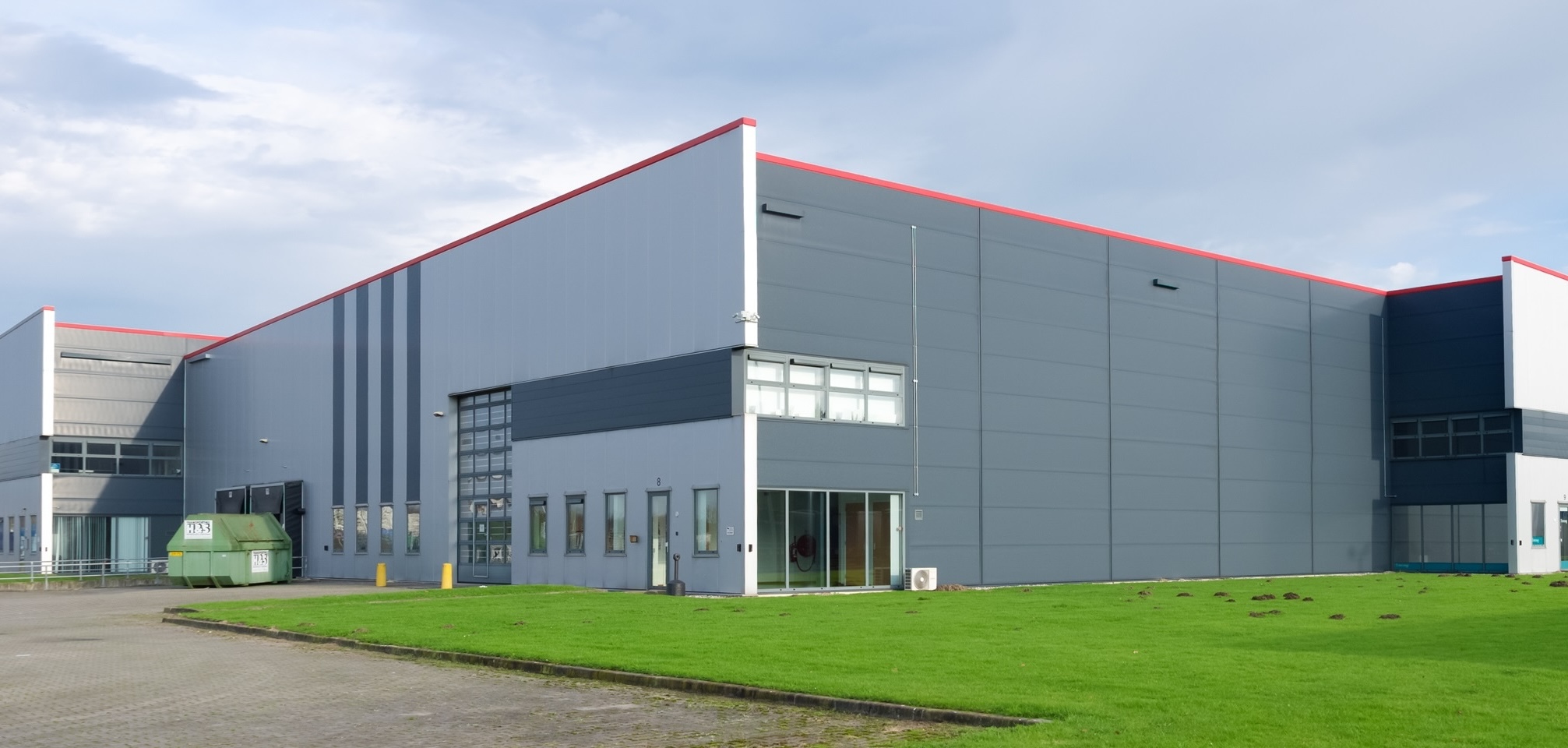
Eco-responsible warehouse — logistics building with ESG performance certification

From obligation to asset — ESG performance on logistics sites, documented from the building itself.

Décret Tertiaire

On-site production is directly deductible from declared consumption figures — reducing your mandatory reduction target gap from day one.

CSRD & Scope 1/2

Certified field data replaces estimates in climate disclosure — auditable, timestamped, compatible with all major reporting frameworks.

BREEAM & HQE

On-site renewable production directly addresses energy criteria — accelerating certification and improving your score with verified field measurements.

Tenant & shipper ESG

Major retailers and shippers now include building ESG performance in their logistics partner selection criteria. Certified production is a direct commercial differentiator.

The data is captured on your building. It is certified, exportable and ready for your auditors — no additional data collection required.
Who it's for

Three decision-makers. Three different arguments.

On a logistics site, the Velox decision often involves more than one stakeholder — because it delivers value across more than one dimension simultaneously.

⚙️

Director of Operations

Continuity, uptime and energy cost control. The argument is operational: local production reduces grid dependency, removes diesel logistics complexity, and creates a resilience layer for critical systems.

Use case 1 & 2
🌿

CSR / ESG Director

Certified data, regulatory compliance and investor reporting. The argument is documentary: on-site production generates auditable environmental data that directly addresses Décret Tertiaire, CSRD and certification requirements.

Use case 3
🏢

Asset Manager / Investor

Asset value, regulatory risk and ESG fund eligibility. A logistics building with certified on-site production stands out in disposal and refinancing — particularly with institutional buyers and ESG-mandated funds.

Use case 1 & 3

Start with one site. Prove the value across all three dimensions.

Energy savings, resilience and certified ESG data — from the same infrastructure, deployed on your building. Tell us about your site and we'll show you what Velox changes for your specific context.