
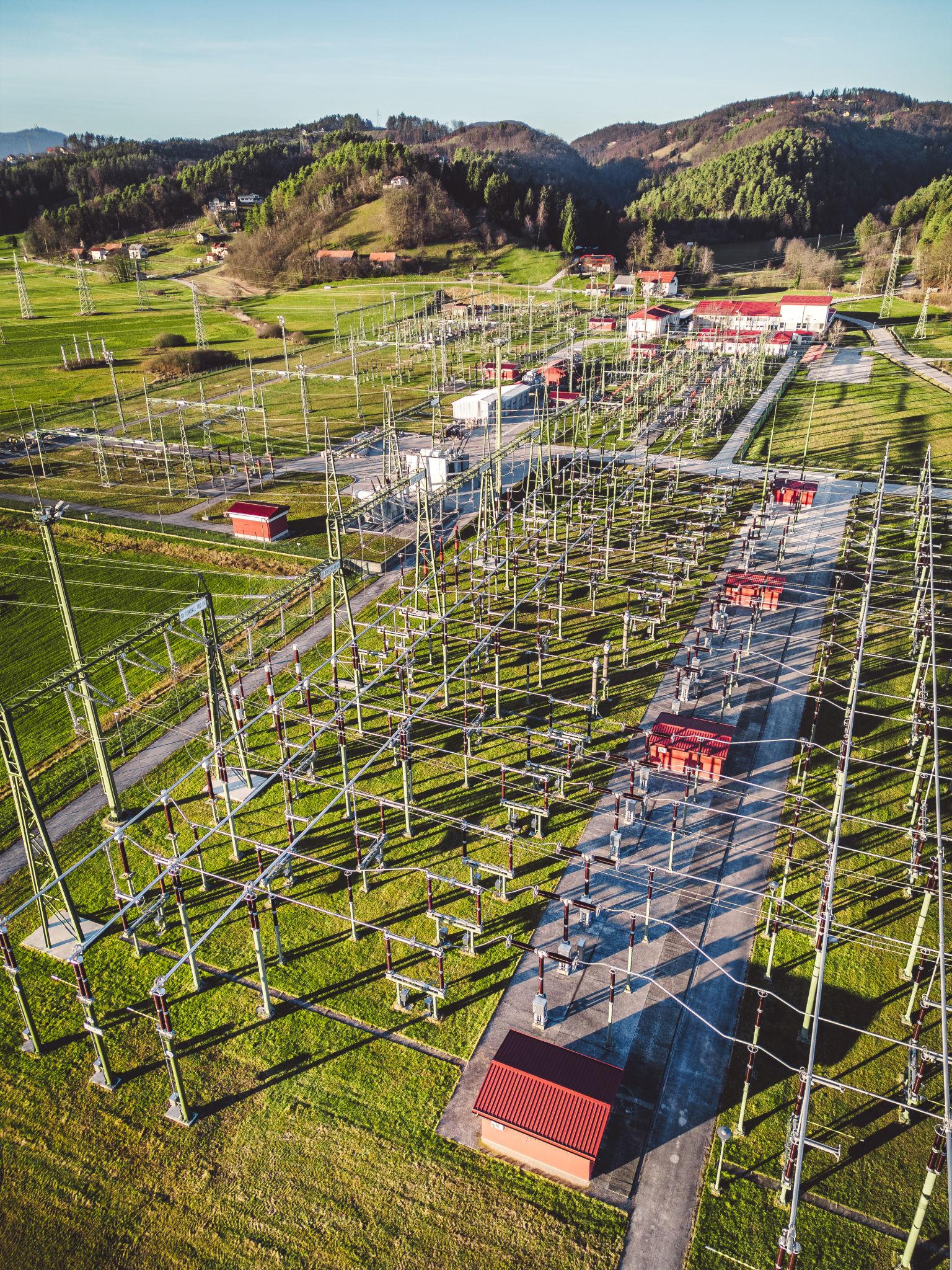
Europe's energy transition has entered a new phase. The focus has shifted from the question of whether to decarbonise to the harder question of how to make a rapidly electrifying system robust, flexible and intelligent enough to function reliably under structural pressure.
Grid pressure is no longer a temporary imbalance
Across Europe, electrification is expanding at the same time as climate adaptation, distributed energy deployment and industrial transformation. This creates a new energy reality: power systems are being asked to carry more uses, more variability and more local complexity than they were originally designed for.
The challenge is not driven by a single variable. It comes from the combined effect of electrified mobility, electric heating, industrial decarbonisation, distributed renewables and more dynamic demand patterns. Grid pressure is becoming structural because these trends reinforce each other rather than cancel each other out.
In that context, resilience can no longer be understood only as central generation adequacy. It increasingly depends on local flexibility, local production and better awareness of what is happening at the edge of the system.
The pressure is cumulative
Electrified mobility, electric heating, industrial decarbonisation, distributed renewables — these trends reinforce each other. Grid pressure is structural, not temporary.
The missing layer is visibility
Many local grid decisions are still made with incomplete or delayed information. As distributed infrastructure expands, the real differentiator is operational visibility in real time.
Grid resilience is not only an infrastructure challenge. It is also a data challenge: the ability to understand, anticipate and react to local conditions in real time.
Electrification is also becoming a sovereignty strategy
France illustrates a broader European dynamic. Reducing dependence on imported fossil fuels increasingly means shifting more uses toward electricity while relying on domestic low-carbon production. In that sense, electrification is not only a decarbonisation pathway — it is also a resilience and sovereignty strategy.
The strategic logic is straightforward: the more key uses can move away from oil and gas, the less exposed economies remain to imported fossil energy, geopolitical shocks and structural price volatility.
But this same shift also increases pressure on power systems. As mobility, heating and parts of industry rely more heavily on electricity, resilience becomes inseparable from local generation, localised monitoring and better operational coordination across distributed assets.
Decarbonisation policy is accelerating the need for resilience
Europe's climate and energy framework is pushing in the same direction: lower emissions, more energy efficiency, more renewable energy and ultimately a more decarbonised economy. But the faster electrification moves, the more critical grid resilience and local system intelligence become.
Climate neutrality
The European climate framework reinforces the role of decarbonised electricity and lower fossil dependence across the entire economy — by 2050 at the latest.
Fit for 55 logic
The EU's climate package translates ambition into sectoral change — more electrified uses, more efficiency, more distributed energy integration across transport, buildings and industry.
ESG & infrastructure quality
ESG expectations now include resilience, operational robustness and the credibility of decarbonised infrastructure in real operating conditions — not just emissions disclosure.
Three implications for Europe
If electrification continues to scale while local stress intensifies, three implications become increasingly clear for utilities, infrastructure operators and energy-intensive industries.
Distributed generation gains strategic value
Local production is no longer only a sustainability feature. It becomes part of the resilience equation, especially where networks are constrained or exposed. An asset that generates locally reduces its dependence on transmission stability — and contributes to grid balance at the edge.
Operational visibility becomes critical
Distributed assets can do more than inject power. They can become visibility nodes that improve awareness, anticipation and decision-making across increasingly complex energy environments. The data generated at infrastructure level is as valuable as the energy itself.
Intelligent infrastructure will outperform passive assets
The future belongs to distributed systems that do more than generate. They must also sense, inform and support faster operational decisions at the edge of the grid. Infrastructure that combines energy production with real-time environmental monitoring creates a compounding value advantage over time.
The edge of the grid is becoming more than a delivery point. It is becoming a strategic intelligence layer.
Where Velox operates in this transition
For utilities, infrastructure operators and energy-intensive industries, this shift changes the nature of decision-making: resilience is no longer managed only centrally — it must also be understood and acted upon locally, in real time.
This shift toward grid pressure and distributed resilience is precisely where Velox operates — at the intersection of local energy production, real-time sensing and decision-grade data. Velox infrastructure generates clean energy at distributed sites while simultaneously capturing the environmental field data that makes local operational intelligence possible.
The operators who build resilience into their infrastructure now will be better positioned to navigate the structural constraints that are already developing across the European grid.